As an architect, I have spent years developing an eye for proportion, light and material. Could a prompt really capture any of that?
A few months in, my answer is: sometimes yes, often no, and the gap between the two is entirely on me.
I have been working with PANTONE 11-4201 Cloud Dancer, one of the key colours for 2026. It has been a surprisingly good test case. Cloud Dancer is not just “off-white”. It is a specific mood: stillness, restraint, the kind of quiet that feels intentional rather than empty.
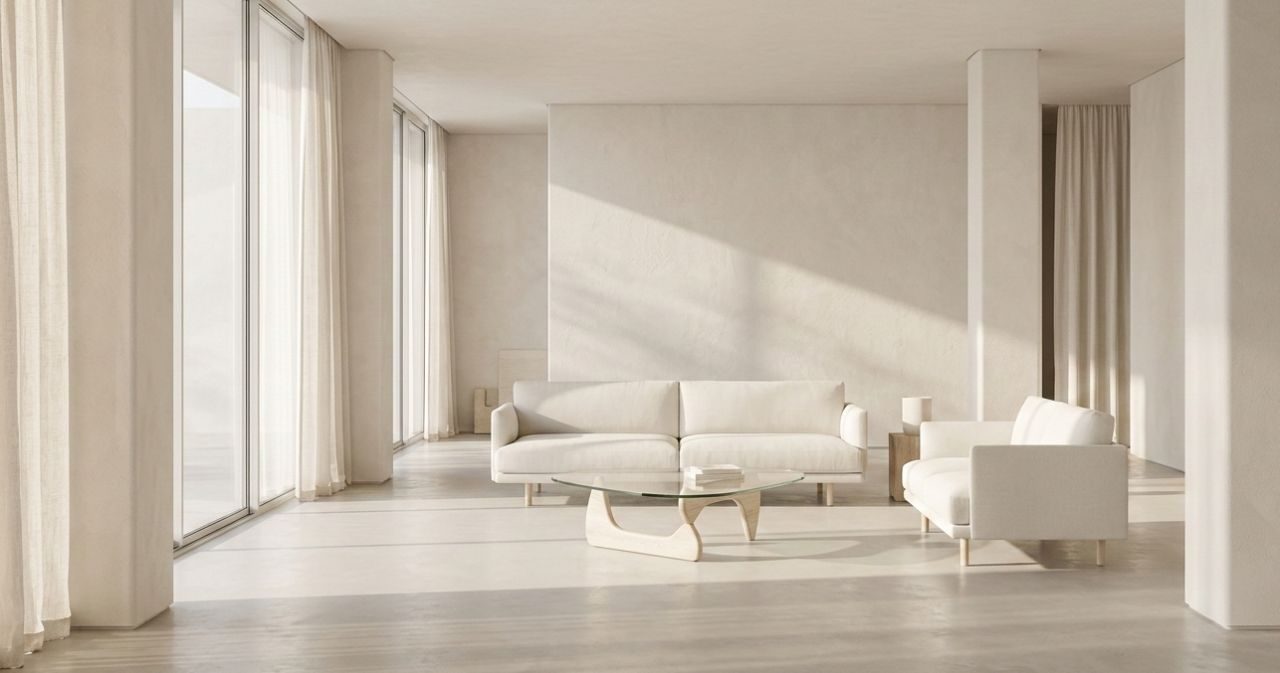
The tool does not replace the designer’s eye. It demands it. The more precisely I could articulate why a space feels a certain way, the better the output. Vague prompts get vague results.
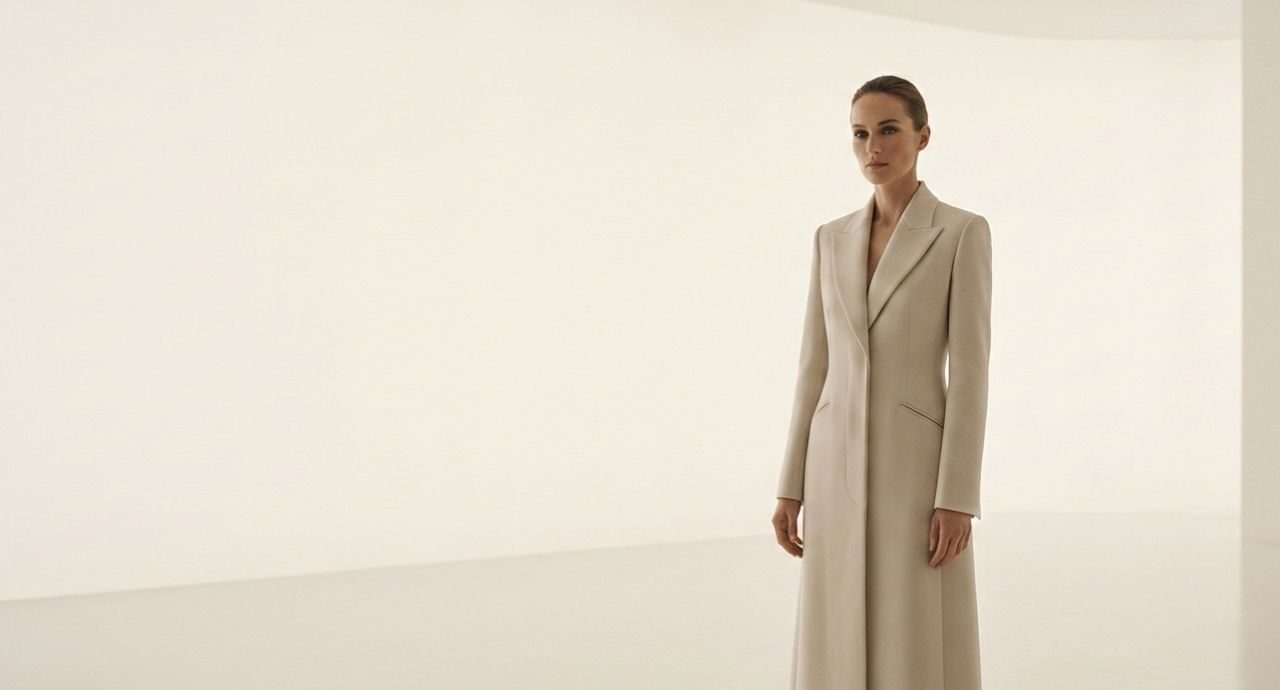
I am still learning. Some outputs feel right. Many do not. But the process itself is teaching me to put into words things I used to just feel, and that turns out to be a useful skill far beyond AI image generation.
There is something interesting in having to explain your own aesthetic instincts to a machine. It forces a kind of self-awareness that years of studio work never quite demanded in the same way.